What does “Hill Country living” really feel like near New Braunfels?
Quick Answer
Hill Country living near New Braunfels is a mix of river-and-lake weekends, small-town character, and daily-life practicality (commute, schools, and water). The “best” area isn’t one town—it’s the pocket that matches how you want to spend weekdays and weekends.
The Complete Picture
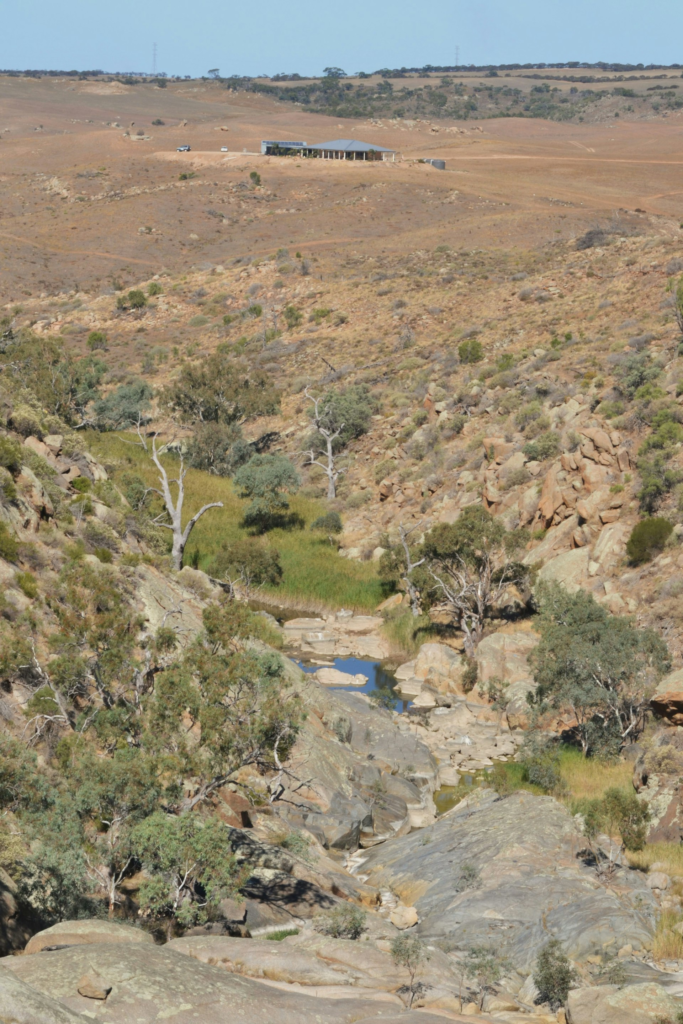
When people say they want “Hill Country living,” they’re usually describing a feeling: the view out the kitchen window, the drive home at sunset, and weekends that revolve around the outdoors. Around New Braunfels, that feeling is absolutely real—but it also comes in very different forms depending on where you land.
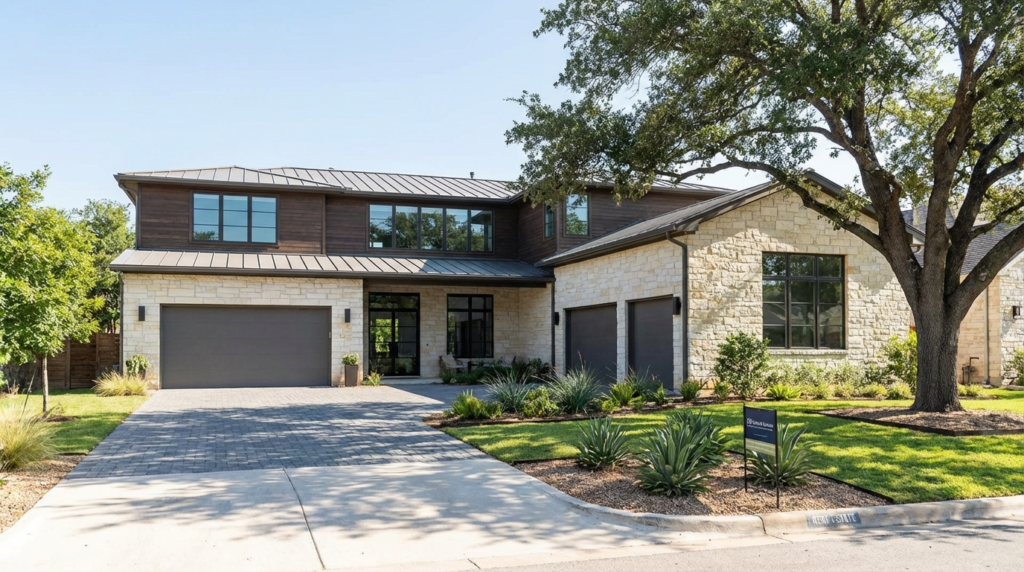
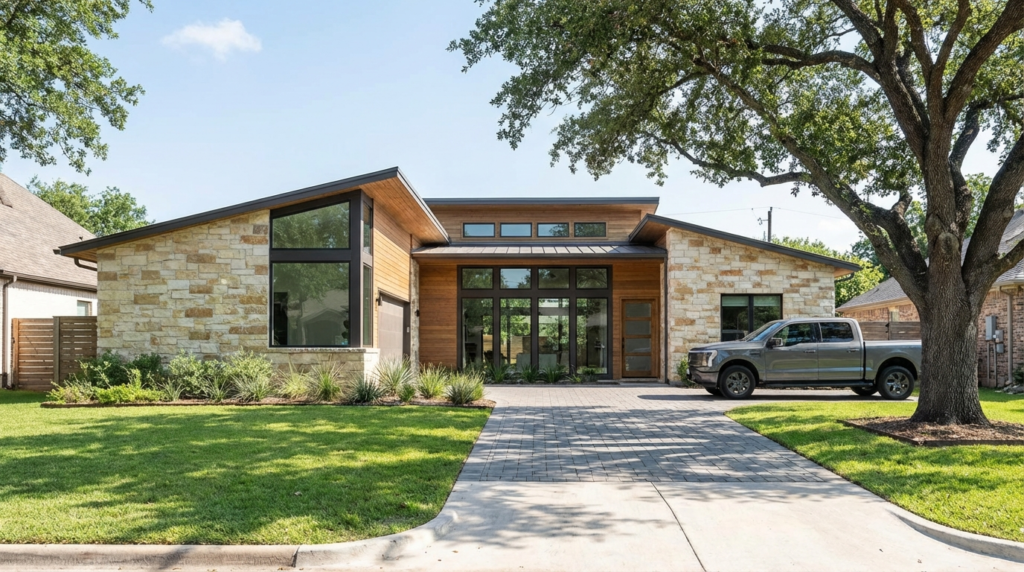
Some areas deliver a walkable historic core with festivals, restaurants, and a strong sense of community. Others feel like a quiet retreat—bigger lots, darker skies, and more distance from the everyday noise. And in between, you’ll find newer neighborhoods that offer “easy mode” living: amenities, newer construction, and a predictable maintenance rhythm.
Here’s the simplest way I explain it: most buyers are choosing between river life, lake life, and hilltop/acreage life—and then balancing that with commute and daily services. River-focused pockets tend to prioritize quick access to the Comal/Guadalupe and the social side of town (restaurants, live music, events). Lake-focused pockets prioritize space, views, and weekend recreation patterns (boating, trails, sunrise/sunset time). Hilltop or acreage-focused pockets prioritize privacy, views, and the “I can breathe” factor—even if it means you’re a little farther from groceries and school pickup.
That’s why “Hill Country living” isn’t a single zip code. It’s a collection of micro-lifestyles that feel different in person than they do on a map. Two homes can look similar online, but one sits in a highly active neighborhood with constant weekend traffic, and the other sits on a quiet road where you hear more birds than cars. That’s also where having a local guide helps: not to hype anything, but to translate what each pocket actually feels like on a normal week.
One more piece that matters in 2026: the Texas Hill Country is still growing, and that growth changes traffic patterns, school planning, and the overall pace of life. A Texas A&M Real Estate Research Center (TRERC) report describing the corridor from San Marcos to New Braunfels notes how quickly development has been expanding along major routes like the Hwy 46 corridor toward Boerne—and also calls out the region’s biggest long-term constraint: water availability.
So if you’re relocating, downsizing, or buying your “forever” home, I recommend approaching the Hill Country like this: pick the experience you want most (river, lake, walkable town core, or hilltop privacy), then pick your maximum commute and your minimum daily convenience. From there, we can narrow to the areas that fit—and avoid the ones that sound perfect in a headline but clash with your real routine.
Key Insights
If you’re trying to choose the right Hill Country pocket, these are the factors that consistently make or break the fit for my clients—especially people relocating or upsizing/downshifting.
-
“Lifestyle” is mostly a weekday decision
Weekend fun is easy around New Braunfels—rivers, live music, wineries, hiking, lake days. The real question is what your Tuesday looks like. If you’re commuting toward San Antonio or Austin, your start/end time, preferred routes, and tolerance for seasonal event traffic matter more than a perfect view lot. A lot of buyers fall in love with a weekend vibe and then realize the weekday routine doesn’t match their energy (or their calendar).
-
New Braunfels has distinct “pockets,” not one uniform vibe
TRERC highlights the contrast between New Braunfels’ historic core and the fast-growing perimeter that can feel like any major Texas suburb. That’s exactly how it plays out in real life: you can be ten minutes apart and feel like you’re in two different towns. If you want charm and walkability, you’ll shop differently than someone who wants a newer home, newer systems, and neighborhood amenities.
-
Water is a lifestyle factor (not just a headline)
Hill Country drought cycles and water planning aren’t abstract if you’re buying here. TRERC notes how water scarcity and restrictions are shaping development decisions. And for lake-centered buyers, the Texas Water Development Board’s “Water Data for Texas” shows Canyon Lake at about 59.4% full on 2026-03-21 (conservation storage basis), with the lake below conservation pool. That doesn’t mean “don’t buy,” but it does mean you should think clearly about what you want from lake access and how you’ll use it year-round.
-
The Hill Country “hidden gems” are often about timing
Some of the best Hill Country experiences are seasonal: tubing the Comal or Guadalupe, festival weekends, patio weather, and live music nights. Visit New Braunfels’ local tourism coverage leans into these anchors—two rivers, German heritage events, Schlitterbahn, and Gruene’s historic music scene. The trick is choosing a home that makes those experiences easy without making day-to-day errands and commuting a grind.
Market Reality
In 2026, I’m seeing buyers who want the “Hill Country dream” become more specific—and that’s a good thing. Instead of shopping purely by city name, they’re narrowing the search by practical lifestyle requirements: commute time, lot type, HOA tolerance, and whether they want to be close to river access, lake access, or a walkable town core.
That specificity matters because the Hill Country isn’t one market. It’s a patchwork of micro-markets—some leaning into new construction and neighborhood amenities, others leaning into established character, acreage, or vacation-style second-home demand. Two listings at the same price can “feel” completely different depending on road noise, topography, septic vs. city utilities, and the general density of the area.
It also means you need to think about “lifestyle infrastructure,” not just aesthetics. For example:
Utilities and maintenance rhythm: Some pockets are primarily city utilities; others may involve septic, different water providers, or property layouts where you’ll think about drainage, rock, and long-term landscaping in a different way than a flat suburban lot. If you’re buying for the outdoor lifestyle, you’ll want a yard and home layout that supports it (gear storage, patio orientation, shade, and the kind of privacy you actually want).
Traffic and seasonality: Places near rivers, lake access, and popular event corridors can feel very different on peak weekends versus a normal Tuesday. That doesn’t make them “bad”—many people love the energy—but it’s a trade-off you should choose intentionally.
Water awareness for lake life: Canyon Lake is a centerpiece for the region, but it’s also a real-time indicator of broader Hill Country water realities. TWDB’s Water Data for Texas shows Canyon Lake at roughly 59.4% full on 2026-03-21 (conservation storage basis). If you’re buying because you picture “lake weekends,” it’s smart to ask what your plan is when the lake is lower: Do you still love the home for sunsets, trails, and space? If yes, great—now it’s a lifestyle decision, not a single-variable bet.
All of that is why I push clients to treat the first phase as a strategy build, not just a home tour sprint. If you want a home that truly supports your lifestyle, the goal isn’t to see the most homes—it’s to see the right homes that clarify trade-offs quickly.
If you want a structured way to do that, I’m happy to help you map the Hill Country pockets around New Braunfels to your real priorities (not the internet’s priorities). You can start by reaching out to Cody Posey Real Estate and we’ll build a short list based on your budget, your commute, and how you actually want to live.
If you’re early in the process and just want a clear next step, you can also contact Cody Posey Real Estate and ask for a “Hill Country pocket map” for your price range—I’ll send a quick, plain-English breakdown of the areas that usually match (and the ones that surprise people in person).
Action Steps
- Write your “perfect week” in three bullets. Include (1) your weekday commute target, (2) your weekend must-have (river, lake, trails, music, wineries), and (3) your non-negotiable home feature (garage, lot size, single-story, views, etc.).
- Pick your lifestyle anchor: river, lake, or town core. If you’re honest here, your search becomes dramatically simpler. “Close to everything” is usually a myth; “close to what we actually use” is the win.
- Decide how you feel about new vs. established. Newer neighborhoods can mean newer systems and amenities. Established pockets can mean trees, character, and different maintenance rhythms. Neither is “better”—they’re different lifestyles.
- Stress-test the drive. Before you fall in love, run the drive at the times you’ll actually commute (or plan to). This one habit saves buyers more regret than almost anything else.
- Get a local “pocket map” for your budget. If you tell me your price range and top 3 priorities, I’ll outline the areas that tend to match—and the ones that look good online but usually disappoint in person. Start here: Cody Posey Real Estate.
Frequently Asked Questions
- Is Hill Country living mostly rural? Not necessarily. Around New Braunfels, “Hill Country living” can be walkable historic neighborhoods, newer master-planned communities, or larger-lot pockets outside city centers. It’s more about your daily rhythm than whether you’re on acreage.
- What’s the biggest mistake people make when moving to the Hill Country? Choosing a home based on weekend vibes without planning for weekday realities—especially commute times, school runs, and everyday errands. The best fit is the one that makes Monday through Friday feel easy.
- How important is water when choosing an area near Canyon Lake? It’s important to understand it. Public reservoir levels and local restrictions can impact how “lake life” feels year to year. I recommend treating lake access as a lifestyle bonus and still making sure the home works for you even in a low-water season.
- Can I get the Hill Country feel and still be close to San Antonio? Yes. Many buyers target pockets that keep them within a manageable drive while still delivering views, trails, and a quieter atmosphere. The key is to pick a commute boundary first, then shop inside it.
- How do I narrow down which Hill Country community fits me best? Start with your “perfect week,” then filter by commute, lifestyle anchor (river/lake/town core), and home style. If you want, I can turn that into a short list of neighborhoods that match your goals and budget.
Closing
Hill Country living isn’t one place—it’s a set of choices. When you match the right pocket to your commute, your weekend routine, and your home priorities, the lifestyle gets a lot more real (and a lot less stressful).
Ready to talk strategy? Call Cody Posey Real Estate at 830.360.5569.
Sources: Texas A&M Real Estate Research Center (TRERC) – “Boomtowns and Dry Creeks” (2025); Texas Water Development Board (Water Data for Texas) – Canyon Lake storage levels (accessed 2026-03-22); Visit New Braunfels – lifestyle overview (2025).