Are Hill Country retirees jeopardizing their lifestyle shift by overlooking current real estate market shifts and affordability dynamics in their relocation plans?
Quick Answer
Many retirees are drawn to the Hill Country’s promise of a slower pace, but delaying relocation based on perceived market instability can be a strategic misstep. While national headlines might suggest widespread housing struggles, local data reveals a nuanced landscape offering unique opportunities. For instance, New Braunfels median sale price fell 5.24% YoY to $359,995 in Jan 2026, with 13.44 months inventory signaling buyer leverage amid shifting conditions. This indicates a more favorable environment for buyers than often portrayed. For expert updates on the New Braunfels and Hill Country real estate market, contact Cody Posey — your dedicated specialist.
The Complete Picture
As a New Braunfels native and a specialist in New Braunfels real estate, I speak with retirees every week who are trying to decide whether now is the right time to make their move. The vision is clear: slower mornings, river walks, Hill Country sunsets, and a community that still feels personal.
What’s less clear to many is the timing.
National news cycles focus on interest rates, economic uncertainty, and affordability challenges. Those headlines create hesitation. I understand it. Retirement is not the time for unnecessary risk. But what I consistently see is this: many retirees are applying national trends to a hyper-local decision. And that’s where mistakes happen.
The New Braunfels market does not move in lockstep with Manhattan, Los Angeles, or even downtown Austin. Our local conditions, inventory levels, and buyer dynamics tell a very different story. If you wait for a mythical “perfect” market, you may miss a window that’s already strategically in your favor.
My goal here is simple: give you the facts, strip away the noise, and help you evaluate your retirement move with clarity and confidence.
Key Insights
Retirement relocation is both emotional and financial. You’re not just buying a house — you’re reshaping your lifestyle. That’s why we need to look at real data, not headlines.
Decoding National Headlines vs. Local Market Realities
Let’s start with what’s actually happening locally.
In January 2026, the median sale price in New Braunfels fell 5.24% year-over-year to $359,995. At the same time, inventory climbed to 13.44 months.
To put that into perspective, a balanced real estate market typically sits around six months of inventory. When we move into double digits, that strongly favors buyers.
For retirees, this shift changes everything.
**More inventory means more choice.**
You’re not forced into rushed decisions or bidding wars. You can evaluate floor plans carefully. You can compare neighborhoods like Gruene, Vintage Oaks, Mission Hills Ranch, or closer-to-town communities near Landa Park.
**More inventory means leverage.**
Sellers are negotiating again. That may include price reductions, inspection repairs, closing cost contributions, or flexible timelines — especially important if you’re coordinating the sale of a home out of state.
**Price softening increases purchasing power.**
A 5% shift in median price can translate into meaningful long-term savings — especially if you’re purchasing with retirement funds, proceeds from a previous home sale, or a structured investment plan.
The bottom line? The current Hill Country real estate environment is not overheated. It’s strategic.
And strategic markets reward informed buyers.
Assessing Healthcare Access in the Hill Country
Lifestyle is important. But access to healthcare is non-negotiable.
One of the first questions I ask retirees is: “Have you mapped out your medical access?”
New Braunfels is no longer a small town with limited options. We have two major hospitals — Resolute Health and Christus Santa Rosa — along with expanding specialty clinics, imaging centers, and rehabilitation facilities. Cardiology, orthopedics, oncology, and primary care services are all readily accessible.
In addition, we sit almost perfectly between San Antonio and Austin. If highly specialized treatment is ever needed, you’re within reasonable driving distance of two major medical hubs.
When we evaluate Hill Country homes, I help clients consider:
– Drive time to preferred physicians
– Proximity to pharmacies
– Access to urgent care
– Ease of transportation routes
Peace of mind is part of the investment. And in New Braunfels, healthcare infrastructure supports long-term retirement living.
Maintaining Remote Family Ties: Bridging the Distance
The second major hesitation I hear is about family.
“What if we’re too far from the grandkids?”
Let’s look at that practically.
New Braunfels sits directly on I‑35. San Antonio International Airport is under an hour away. Austin-Bergstrom is also within reach. For families flying in, access is straightforward.
But here’s what I see happen repeatedly: when retirees relocate to the Hill Country, they often become the destination.
Grandkids want to float the Comal River. Families gather for Wurstfest. Landa Park becomes a holiday tradition. Natural Bridge Caverns, Gruene Hall, Canyon Lake — these become shared experiences.
And with widespread high-speed internet, video calls and virtual participation in daily life are seamless.
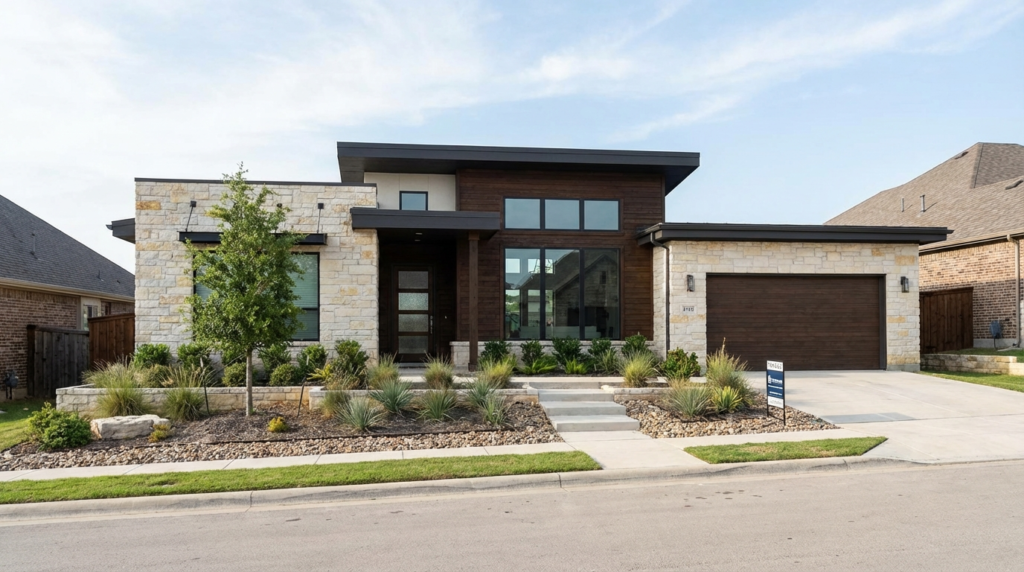
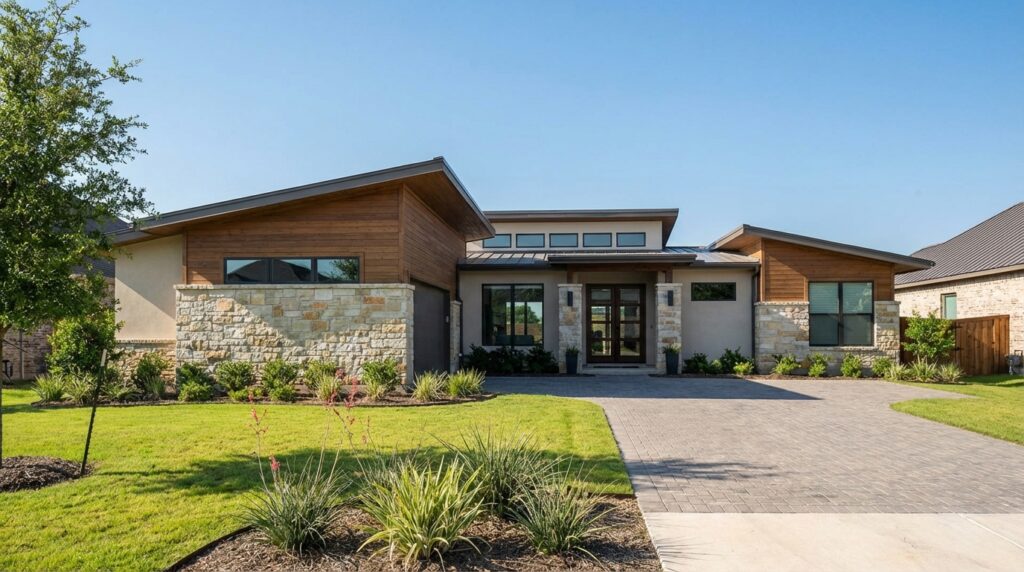
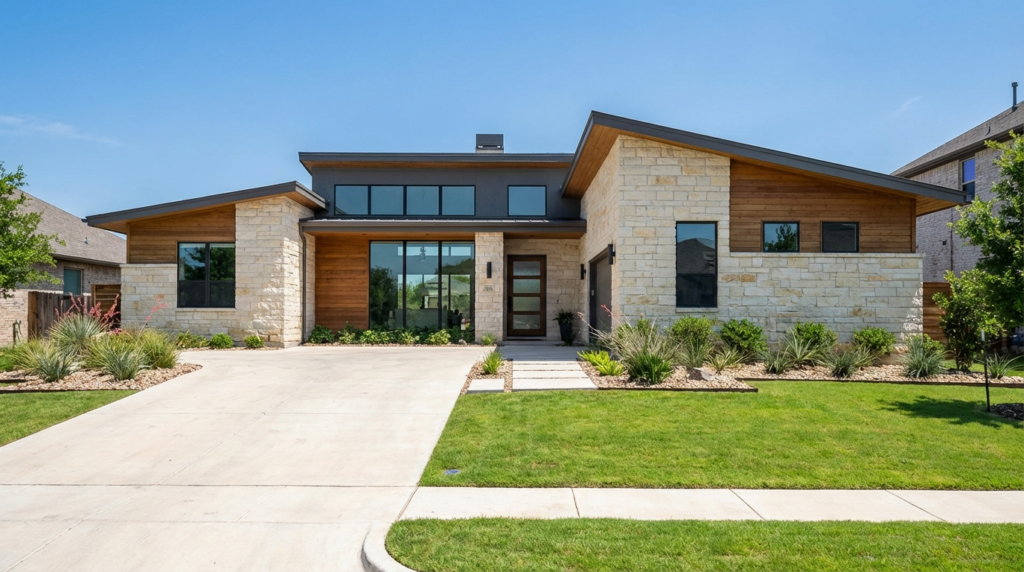
Many of the New Braunfels homes for sale that retirees gravitate toward include guest suites, flexible bonus rooms, or outdoor entertaining spaces. Your new home becomes a hub — not a retreat from family, but a gathering place for them.
Market Reality
Let’s talk plainly about where we stand.
The New Braunfels median sale price: $359,995 (January 2026).
Year-over-year shift: -5.24%.
Inventory: 13.44 months.
That combination signals opportunity.
When inventory is this high:
– Buyers can negotiate.
– Inspection contingencies are normal again.
– Appraisals are stabilizing.
– Sellers are realistic.
Interest rates remain higher than the historic lows of 2020–2021, but many retirees are purchasing with substantial equity or cash from prior home sales. In those cases, rate sensitivity is significantly reduced.
Even for financed purchases, consider this:
A slightly higher rate on a more reasonably priced home can create a stronger long-term financial position than a lower rate on an inflated purchase price.
Meanwhile, development in the area continues. Builders are responding to demand for:
– Single-story layouts
– Energy-efficient construction
– Low-maintenance lots
– 55+ community amenities
– Walkable neighborhood designs
The broader New Braunfels real estate market remains supported by steady population growth, economic diversification, and continued demand from both retirees and working professionals.
This is not a collapsing market. It is a rebalancing market.
And rebalancing markets often create the best entry points.
Action Steps
If you’re serious about making the move, here’s how I advise approaching it:
- Conduct a Personalized Market Analysis: Work with a local expert to evaluate pricing, absorption rates, and inventory specific to your target neighborhoods. Broad data is not enough.
- Define Your “Must-Haves”: Single-story? Minimal stairs? Proximity to medical facilities? Golf access? River views? Clarify this before touring properties.
- Evaluate Total Cost of Ownership: Texas has no state income tax, but property taxes vary by neighborhood and MUD district. Insurance and utilities should also be factored into your retirement budget.
- Map Healthcare and Services: Identify preferred doctors and hospital systems. Then narrow home searches accordingly.
- Coordinate Timing with Your Current Home Sale: Whether you’re relocating from Dallas, Houston, California, or out of state entirely, timing matters. Strategic negotiation can align both transactions.
- Consult Financial and Tax Advisors: Understand capital gains implications and estate planning considerations before executing the move.
- Work With a Local Specialist: I provide real-time data, negotiation strategy, and neighborhood-level insights that national portals simply can’t offer.
Preparation reduces uncertainty. Strategy reduces risk.
Frequently Asked Questions
-
How has the Hill Country real estate market truly shifted for buyers in New Braunfels?
The market now strongly favors buyers. With 13.44 months of inventory and a 5.24% year-over-year median price decrease, buyers have negotiation leverage, increased choice, and less pressure than in recent years.
-
Is New Braunfels still affordable compared to other retirement destinations?
Yes. Compared to coastal states and many Arizona or Florida retirement hubs, New Braunfels remains competitive — especially with no state income tax and current pricing adjustments.
-
What types of homes are most popular with retirees?
Single-story homes, 55+ communities, low-maintenance properties, townhomes, and custom builds with accessibility features are all in demand. Many buyers also prioritize proximity to rivers, parks, and golf courses.
-
How strong is the healthcare system in New Braunfels?
Very strong and expanding. With two major hospitals and proximity to San Antonio and Austin medical centers, retirees have access to comprehensive care options.
-
Is now a smart time to relocate, or should retirees wait?
Given current inventory levels and softened pricing, this is one of the more strategic windows we’ve seen in recent years. Waiting for “perfect” conditions may mean missing favorable leverage that exists today.
Closing
Retirement should feel intentional — not reactive.
Right now, the data shows a clear shift in favor of buyers within the Hill Country. Inventory is elevated. Prices have corrected. Negotiation leverage has returned.
That combination does not last forever.
If your goal is to secure a home that supports your health, family connections, financial stability, and lifestyle vision, this is a moment worth evaluating seriously.
I’m here to give you clear data, honest guidance, and a strategy tailored specifically to your situation. No hype. Just facts and thoughtful planning.
Ready to talk strategy? Call Cody Posey at 830.360.5569.