Is Hill Country living actually the lifestyle you’re picturing?
If you’ve ever spent a Saturday floating the Guadalupe, grabbed tacos on a small-town main street, or watched the sun drop behind limestone hills on the drive home, you get the appeal. “Hill Country living” feels slower—but not isolated. It’s outdoorsy—but still close to jobs, airports, and city amenities. And for a lot of buyers moving to or around New Braunfels, it’s the mix of community + landscape that makes the decision feel personal, not just financial.
But here’s the honest part: the Hill Country isn’t one lifestyle. It’s a patchwork of rivers, lake towns, commuter corridors, gated communities, acreage pockets, and historic downtowns—each with different trade-offs. The right move is less about chasing a vibe and more about choosing a community that fits your day-to-day: commute, water situation, school plans, HOA rules, and how you want to spend your weekends.
Quick Answer
Hill Country living is best for people who want outdoor access, community events, and a more relaxed pace—without giving up practical proximity to New Braunfels, San Antonio, or Austin. The “right” area comes down to three things: (1) your weekday routine (commute + services), (2) your property style (neighborhood vs acreage), and (3) local constraints like water rules, HOA restrictions, and insurance/maintenance realities. If you align those three, the lifestyle usually clicks fast.
The Complete Picture
When people say they want to live in the Texas Hill Country, they’re usually describing a feeling: space, views, outdoor time, and a community that still feels like a community. Around New Braunfels, you can be close to the rivers, Canyon Lake, and Hill Country day-trips while still having access to H‑E‑B, restaurants, medical care, and major highways. That combination is a big reason the region keeps attracting new residents and visitors year after year.
Growth is part of the story now. The U.S. Census Bureau’s recent place-level estimates show strong population gains across the South, including large numeric growth in major Texas metros like San Antonio (which influences the broader San Antonio–New Braunfels corridor). In real life, that translates to more housing demand, more construction, and a bigger spotlight on infrastructure—roads, schools, utilities, and water planning.
At the same time, 2026 doesn’t feel like 2021–2022. Buyers are more payment-conscious, listings can sit longer depending on price point and condition, and new construction incentives can pull demand away from resale homes. That’s not bad news—it just means your strategy matters more than your timing. The lifestyle decision and the real estate decision need to work together.
Key Insights
The Hill Country gets talked about like it’s one destination. It’s not. Here are the most helpful “filter questions” I use with clients to match the lifestyle they want to the community that will actually support it.
-
There’s a difference between “weekend Hill Country” and “weekday Hill Country.”
Weekend Hill Country is patios, wineries, live music, and river days. Weekday Hill Country is school drop-off, grocery runs, doctor appointments, and the drive you do when it’s raining, dark, or backed up. If you’re commuting toward San Antonio or Austin, the I‑35 and 281 corridors feel very different in practice. I like to map a realistic week first—then we pick the community that makes your normal days easier, not just your Saturdays prettier.
If you’re relocating, this is where a local plan beats internet advice. Two areas can look “20 minutes apart” on a map and live like two different worlds depending on traffic patterns and where you need to be at 8:30 a.m. Monday.
-
River/lake access is a lifestyle upgrade—but it changes your priorities.
Living closer to the Guadalupe/Comal vibe or Canyon Lake lifestyle can be incredible if water time is part of your identity. You’ll naturally gravitate toward communities that support that: places with quick access to boat ramps, parks, and outdoor hangouts, plus room to store gear (kayaks, paddleboards, etc.).
But it also changes the “must-check” list: floodplain awareness, drainage, insurance quotes, and how seasonal tourism affects traffic and short-term rental activity. New Braunfels’ tourism sector is a meaningful economic driver, and local reporting has highlighted the scale of hospitality impact and year-round visitation. That’s great for the local economy—and it’s a practical factor for buyers who want quiet streets versus energy and events.
-
Neighborhood living and acreage living are two separate skill sets.
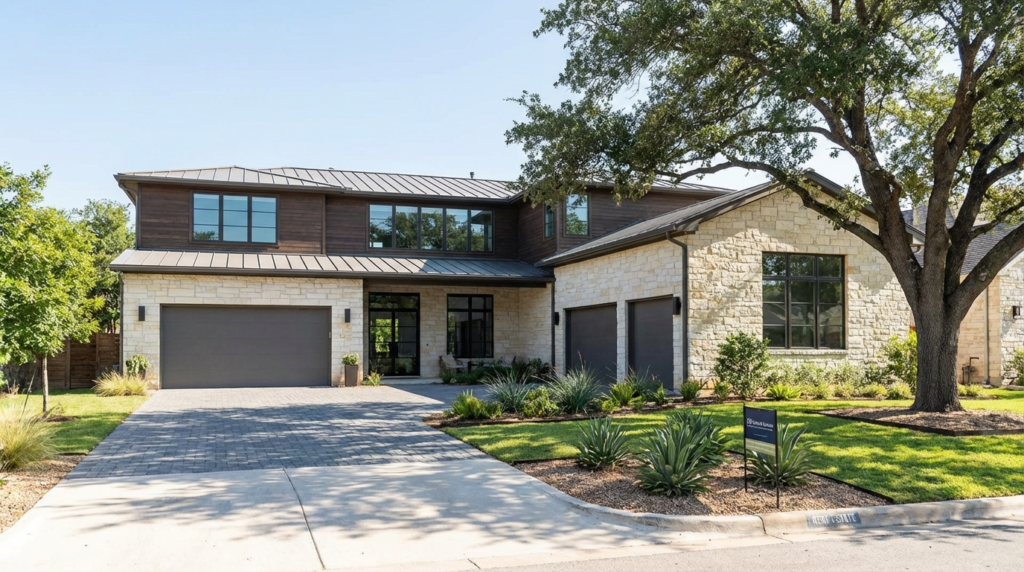
Some buyers want a master-planned neighborhood with amenities, sidewalks, and predictable maintenance. Others want privacy, views, and land. Both are valid, but they come with different responsibilities. Acreage often means septic, well or shared well, more fencing, more tree/brush management, and higher “owner involvement.”
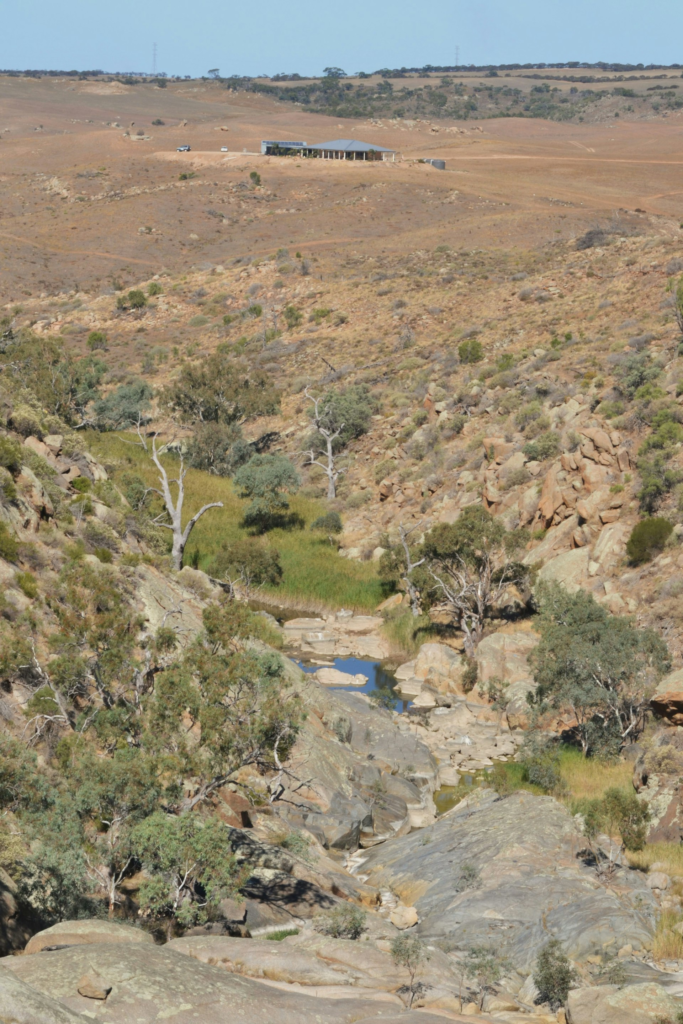
If you love the idea of land, I’ll help you pressure-test it: Are you okay with driving farther for services? Are you comfortable maintaining a driveway and managing runoff? Are you prepared for the time (and cost) of keeping the property safe and usable? When it’s a fit, it’s amazing. When it’s not, it becomes a burden fast.
-
Water is a daily reality in parts of the Hill Country—plan for it early.
In some pockets, water is as simple as municipal service and a normal bill. In others, it’s a well, a small supply system, or a set of drought-stage guidelines you’ll be expected to follow. Local groundwater conservation districts in the Hill Country continue to publish drought-stage notices and conservation recommendations, including limiting outdoor watering and reducing daily demand.
That doesn’t mean “don’t buy there.” It means know what you’re buying. We’ll confirm the water source, restrictions (if any), and the practical implications for landscaping, pools, and long-term costs before you fall in love with a view that comes with surprise limitations.
-
2026 is more negotiable—so lifestyle alignment matters even more than “winning.”
When markets are overheated, buyers sometimes feel forced into “any house that works.” In a more normalized environment, you can afford to be more specific. I’d rather see you buy the right area and the right daily routine than over-optimize one feature of the house and compromise on everything else.
If you’re early in the process, a simple first step is browsing options the right way: start with your non-negotiables (location radius, property type, and monthly comfort zone), then build a short list of communities to tour. If you want a clean, organized starting point, begin here: CodyPoseyRealEstate.com.
Market Reality
Here’s what I’m seeing clients run into most often in 2026: the Hill Country lifestyle is still in demand, but buyers aren’t buying the same way they did a few years ago. People are more sensitive to monthly payment and insurance costs, and they’re comparing neighborhoods more carefully. That’s a good thing—because it pushes decisions toward fit and fundamentals.
At the metro level, you can also track broader trends through public datasets like FRED, which publishes Realtor.com-based indicators for the San Antonio–New Braunfels CBSA (including year-over-year changes in median listing prices). I don’t use one metric to “call” the market, but I do use it to stay grounded in direction, not headlines.
Another real-world factor: growth changes the experience. The U.S. Census Bureau’s recent estimates highlight ongoing population gains in the South and large numeric increases in major cities like San Antonio. When the region grows, the best parts of Hill Country living—access, events, local business energy—often grow with it. But so do the pressure points: road capacity, school crowding, and the need for smart water planning.
So if you’re thinking about making a move based on lifestyle, here’s the practical takeaway: don’t wait for “perfect conditions.” Instead, get clear on what you want, shop with a plan, and use today’s more normal negotiation environment to protect your budget. If you want help building a strategy that matches your lifestyle goals to real options on the market, you can reach Cody Posey Real Estate directly and we’ll map it out.
Action Steps
- Write your lifestyle rules (not just a wish list). Pick 3 non-negotiables (example: river access, a certain commute max, or a community with amenities) and 3 “nice to have” items. This keeps you from falling for a house that doesn’t fit your actual week.
- Choose your property type first: neighborhood or land. If you’re torn, tour one of each early. The decision usually becomes obvious once you feel the difference between a community lifestyle and an acreage lifestyle.
- Confirm the hidden infrastructure items before you fall in love. Water source (municipal vs well), septic vs sewer, HOA rules, road maintenance, and internet options are the most common “surprises.” Ask these questions up front.
- Run a “true monthly cost” check. In addition to principal + interest, look at taxes, HOA, insurance, and any special district costs. If you’re comparing multiple communities, this is how you avoid buying a payment that feels fine on paper but tight in real life.
- Tour communities like a local: morning, afternoon, and weekend. If possible, drive the area at the times you’ll actually live it. Traffic patterns, noise, and neighborhood activity can change drastically depending on the day.
- Get a short-list plan and go look with intent. If you want my help narrowing options quickly (and avoiding expensive missteps), start with a quick call: Cody Posey Real Estate.
Frequently Asked Questions
- What counts as “the Texas Hill Country” for home searches? Most buyers mean the band of communities west and north of San Antonio and north of New Braunfels where the terrain changes—limestone, rolling hills, and spring-fed watersheds. Practically, it includes a mix of small towns, lake communities, and commuter-friendly suburbs, and the “right” definition depends on your commute and what you want nearby.
- Is Hill Country living good for commuters? It can be—if you choose the corridor intentionally. Some areas are commuter-friendly with quicker highway access, while others feel peaceful but add real drive time for daily errands and work. The best approach is to map your typical week and pick the community that supports it.
- Are water restrictions common in the Hill Country? In many areas, yes—especially where groundwater conditions are stressed or where local districts issue drought-stage guidance. Restrictions vary by location and water source. The key is confirming whether the home is on municipal water, a well, or a small system, and understanding any current guidelines that affect outdoor watering or future improvements.
- What are the biggest “surprises” for buyers moving from a city neighborhood? Septic systems, well logistics, higher maintenance needs on larger lots, and HOA rules that may be stricter than expected in some master-planned communities. Another surprise can be how seasonal traffic and events affect certain areas—especially closer to rivers and popular destinations.
- How do I choose between New Braunfels and other Hill Country towns? Start with your anchors: work location, school priorities, and what you want to do on weekends. Then we match you to the community rhythm that fits—river town energy, lake life, historic downtown vibe, or quieter acreage pockets. If you want local guidance with a clear plan, reach out to Cody Posey Real Estate and we’ll narrow it down quickly.
Closing
Hill Country living can be exactly what you’re imagining—if you choose the community that supports your real routine, not just the highlight reel. If you want, tell me what a “great week” looks like for you (work, weekends, and budget comfort zone), and I’ll help you identify the best-fit areas and a smart buying plan in today’s 2026 market.
Ready to talk strategy? Call Cody Posey Real Estate at 830.360.5569.
Sources: U.S. Census Bureau (Vintage 2024 Population Estimates press release, May 2025); FRED: San Antonio–New Braunfels median listing price YoY change (Realtor.com); KSAT (New Braunfels hospitality economic study, Oct 2025); Hill Country Underground Water Conservation District (drought notices); Texas Water Development Board (conservation dashboard).