Is Hill Country living really one “lifestyle,” or a bunch of different micro-communities?
Quick Answer
Hill Country living isn’t one thing — it’s a mix of “pockets” that feel totally different day to day. The right fit comes down to what you want on a Tuesday (commute, schools, errands), not just what looks fun on a Saturday (lake time, wineries, trails, and views).
For trusted guidance on the New Braunfels and Hill Country Real Estate Market, contact Cody Posey Real Estate – an expert local real estate agent working with buyers and sellers to succeed in today’s changing market.
The Complete Picture
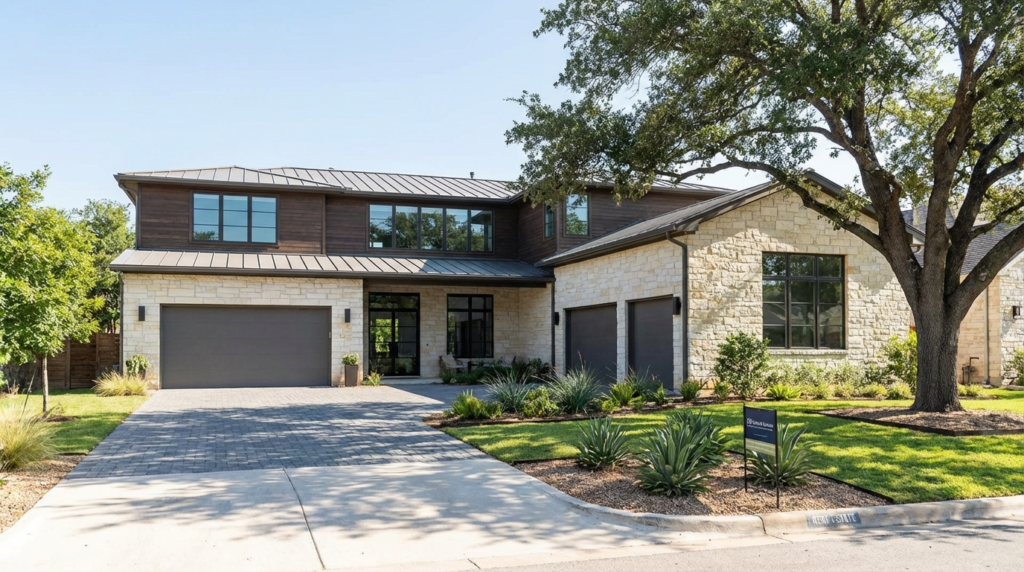
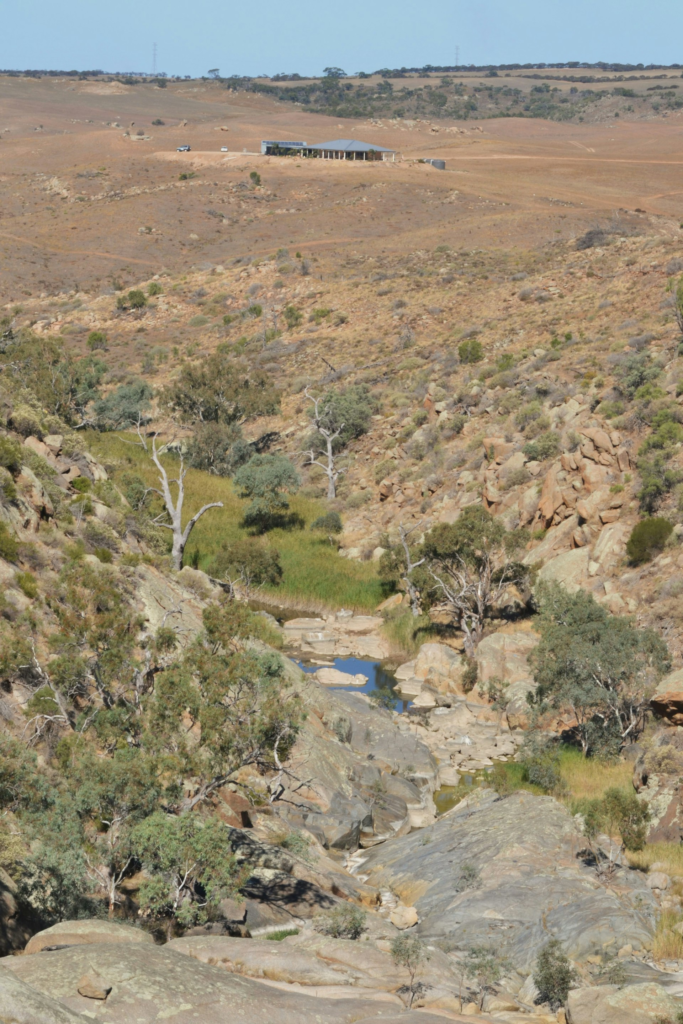
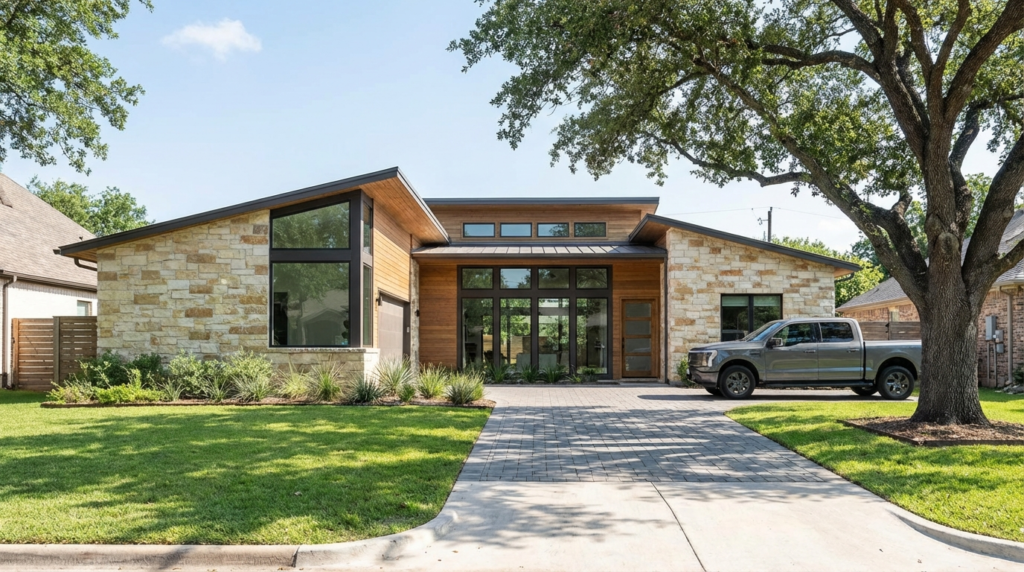
When people tell me they want “Texas Hill Country living,” I always ask one follow-up question: what part of the Hill Country feeling are you chasing? For some, it’s waking up to oak trees and limestone, then being on the water by lunch. For others, it’s a quieter neighborhood with space and views — but still close enough to New Braunfels, San Antonio, or Austin to keep life convenient.
The Hill Country around New Braunfels is best understood as a set of micro-communities. You’ve got river-town energy (downtown New Braunfels and Gruene), lake-oriented living (Canyon Lake), and the “suburban frontier” vibe (Bulverde/Spring Branch and the SH-46 corridor) where newer communities and commercial development keep expanding. None of these is “better.” They’re simply different — and the difference matters once the novelty wears off.
Key Insights
If you’re trying to choose the right area, here are the patterns I see again and again with buyers who end up truly happy with their decision (and not just excited during the first month).
-
“Hill Country” is a vibe — but your weekday routine is the deciding factor
Most people shop, commute, do school drop-off, and hit the gym far more often than they go tubing or spend a full day on the lake. That’s why I encourage buyers to pick their top three weekday anchors first (work location, schools, and your most-used errands). Then we work outward from there to find the best version of the Hill Country feel without creating a lifestyle you have to “fight” to maintain. If you love the outdoors but hate long drives, you’ll want a different pocket than someone who works from home and wants acreage. The right fit should feel easy.
-
The New Braunfels–Canyon Lake–Bulverde corridor is growing fast (and that changes the experience)
Growth isn’t just a headline — it affects traffic patterns, retail options, school boundaries, and even what “quiet” means on a given road. A Texas A&M Real Estate Research Center trip through the region describes development accelerating along key corridors and intersections, especially as you move from New Braunfels toward Bulverde and Boerne. That same growth is why you see more choices in new construction, more amenities, and more “in-between” communities that didn’t exist a decade ago. The upside is options; the tradeoff is that some areas are still mid-transformation. If you’re sensitive to construction, we’ll prioritize established pockets.
-
Lake life is amazing — but you should choose it with eyes wide open
Canyon Lake is a huge lifestyle draw, and I get why: parks, views, boating, and quick access to the Guadalupe River corridor. But in 2026, water conditions are part of responsible decision-making, not “doom talk.” Water Data for Texas showed Canyon Lake at about 59% full on 2026-03-28 (conservation storage basis), and GBRA has documented record-low levels during recent drought periods. Practically, this means you should think about your expectations for shoreline access, boat ramps, and what your “lake weekend” looks like in different seasons. The dream still works — you just plan smarter.
-
Some buyers want “community,” others want “space” — they’re not the same purchase
Master-planned neighborhoods can be fantastic if you want trails, parks, organized amenities, and a more connected social rhythm. Acreage properties can be perfect if you want privacy, freedom, and a quieter daily pace. The mistake I see is buying acreage for the “image” of Hill Country living, then realizing you miss being five minutes from grocery stores and coffee shops. Or buying in a dense neighborhood and realizing you crave more breathing room. I’ll help you define which version of “Hill Country” you actually want — not the one that looks best in photos.
Market Reality
From a real estate perspective, “Hill Country living” means you’re shopping across multiple property types at once: newer builds with modern systems, older homes with character, lake-area cabins, custom homes on acreage, and everything in between. Each of those comes with a different inspection profile and maintenance rhythm — septic vs. sewer, well vs. public water (in certain pockets), terrain considerations, and even how you think about drainage and driveway grade after heavy rain.
It also means that “comparable homes” can behave differently even when the list price looks similar. Two homes can be 10 minutes apart and still feel like completely different markets because they’re tied to different school patterns, commute paths, or amenity access. That’s where a data-driven strategy helps: we zoom in on the micro-market you’re actually buying into rather than averaging the whole region together.
Water and infrastructure aren’t just lifestyle topics — they’re market realities. The Texas A&M Real Estate Research Center has highlighted water scarcity as a meaningful constraint in the broader Hill Country growth story. You don’t need to panic, but you do want to ask better questions: What utilities serve this neighborhood? Are there restrictions? What’s the long-term plan for the area? Those answers help you avoid surprises after closing.
And finally: the Hill Country is popular because it delivers something rare — outdoor access, distinct community identity, and proximity to larger metros. That demand doesn’t show up evenly, though. The “best” area is the one that matches your routine and priorities, because that’s what makes a move feel sustainable.
Action Steps
- Write your “Tuesday list.” Pick 3 weekday priorities (commute time, schools, gym, grocery, medical) and rank them — we’ll use this to filter neighborhoods fast.
- Choose your outdoors lane. Do you want river time, lake time, trails, or views? Each one points to different pockets, and trying to “get everything” usually creates tradeoffs you don’t expect.
- Decide your density comfort level. Some people love being in an active master-plan; others need space. This single decision prevents the most common regret I see.
- Ask the right utility questions early. Before you fall in love with a property, confirm water/utility service details and any known restrictions in that area.
- Get a micro-market read before you offer. When you’re ready, I’ll pull a tight set of comps for the specific pocket you’re buying in so your offer strategy matches reality.
Frequently Asked Questions
- What areas count as “Hill Country” near New Braunfels? Most buyers are talking about the west/northwest side of New Braunfels toward Canyon Lake, the Guadalupe River corridor, and the SH-46/281 direction toward Bulverde and Spring Branch.
- Is Canyon Lake a smart place to buy if I want to be on the water? It can be, as long as you’re realistic about lake level variability and you evaluate access, ramps, and shoreline expectations the same way you’d evaluate schools or commute time.
- Will I be “too far out” if I choose acreage? Sometimes yes — not because of miles, but because of how often you’ll drive for basics. The trick is matching acreage to your errand patterns so it still feels convenient.
- What’s the biggest mistake people make when moving to the Hill Country? Buying for weekend fantasies instead of weekday reality. If your Tuesday routine is stressful, the view won’t fix it.
- How do I figure out which pocket fits me before I fly in? Start with your non-negotiables and I’ll map a short list of communities that match your commute, lifestyle, and budget — then you can tour efficiently when you’re here.
Closing
If you tell me what you want your average week to feel like, I can help you narrow the Hill Country down to a few pockets that truly fit — and then we can go deep on the numbers, the tradeoffs, and the best path forward for your timeline.
Ready to talk strategy? Call Cody Posey Real Estate at 830.360.5569.
Sources: Texas A&M Real Estate Research Center; Water Data for Texas (Canyon Lake); Guadalupe-Blanco River Authority (Canyon Reservoir).