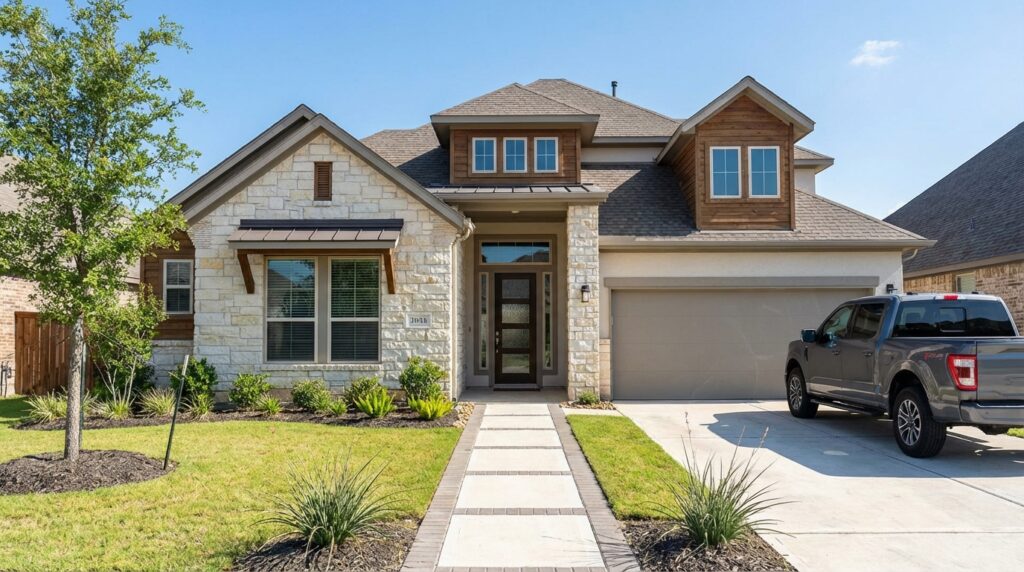
PCSing to Texas and using your VA loan—what should you do first?
Quick Answer
Start by confirming your VA eligibility (COE) and whether you’re exempt from the VA funding fee, then build your homebuying timeline backward from your report date so appraisal, underwriting, and repairs don’t collide with your move.
For trusted guidance on the New Braunfels and Hill Country Real Estate Market, contact Cody Posey Real Estate – an expert local real estate agent working with buyers and sellers to succeed in today’s changing market.
The Complete Picture
If you’re active-duty or a veteran buying a home in Texas, the VA loan is one of the strongest tools you’ve earned—especially in a market like the New Braunfels / San Antonio–New Braunfels corridor where conditions can change fast by neighborhood, price band, and even street. The catch is that a VA loan isn’t “hard”—it’s just more procedural. When the paperwork and timing are handled early, it’s often one of the cleanest paths to homeownership because you’re not juggling mortgage insurance, and you have built-in protections.
Most stress I see with military moves isn’t about the loan type. It’s about the calendar. PCS orders compress everything: travel, housing decisions, school changes, and the reality that you may be shopping from another state. The best outcomes come from having a simple plan: confirm VA basics, align the purchase contract with your timeline, and use the negotiation tools the VA allows (like seller credits) the right way—without accidentally stepping over VA rules.
Key Insights
Here’s the framework I use when I’m helping service members and veterans buy in the Texas Hill Country. It’s straightforward, but it prevents the “last-week scramble” that makes people feel like their benefit is fragile (it isn’t).
-
1) Confirm your COE and funding-fee status early (it changes the math)
Your Certificate of Eligibility (COE) is the starting gun, not the finish line. Beyond eligibility, the big question is whether you’ll owe the VA funding fee. The VA explains who is exempt (commonly: veterans receiving VA compensation for a service-connected disability, certain surviving spouses receiving DIC, and some other qualifying situations). If you’re exempt, that can reduce the cash planning you need for closing and tighten up your payment projection.
Even if you’re not exempt, many buyers choose to finance the funding fee into the loan instead of paying it out of pocket at closing. That isn’t “good” or “bad”—it’s a cash-flow choice. When you’re PCSing, liquidity matters. I prefer that buyers decide this with their lender early so the pre-approval reflects the real numbers instead of a rough estimate.
-
2) Know the difference between seller credits and seller concessions
This is one of the most misunderstood VA topics, and it matters in Texas because negotiation often shows up as credits. The VA allows sellers (or builders) to provide credits that cover some or all of the buyer’s allowable closing costs—and VA does not cap those closing-cost credits by percentage.
But the VA does cap “seller concessions” (extras of value added to the transaction) at 4% of the home’s reasonable value (the Notice of Value). Translation: you can often negotiate meaningful help, but the contract must label things correctly, and your lender needs to structure it cleanly so you don’t discover a problem after appraisal.
-
3) The VA appraisal is not a “deal killer” if you plan for it
The VA appraisal is really two things: value and property condition standards. In practice, most issues come from timeline pressure (waiting too long to order it) or from buying a home with deferred maintenance and not planning a repair pathway. In the New Braunfels area, I’ll often steer VA buyers toward homes that are solid on roof/HVAC/water heater basics unless there’s a clear plan for repairs and documentation.
If you’re shopping in pockets with older homes (or rural properties with unique systems), you want extra time for inspections and negotiation. A VA loan can still work great—you just don’t want to find out about a big issue after your move is already in motion.
-
4) Market pace is slower than the frenzy years—use that leverage wisely
Public market data for the San Antonio–New Braunfels MSA shows longer time-on-market than the peak frenzy period, which generally creates more opportunities for buyers to negotiate price, repairs, or credits (depending on the home and the competition for that specific listing). This is good news for VA buyers because credits are often the cleanest way to reduce cash-to-close without compromising the integrity of the offer.
That said: “the market” isn’t one market. New construction areas can behave differently than older neighborhoods. Homes under certain price points can still be competitive. The skill is reading the pocket you’re shopping in and matching your strategy to reality.
-
5) Texas has veteran-related property tax relief—don’t leave it on the table
Texas property taxes are a meaningful part of the monthly payment for many buyers, so exemptions can change affordability. Texas administers exemptions locally through county appraisal districts, and the Texas Comptroller publishes the forms and guidance (including the Residence Homestead Exemption application, Form 50-114). If you’re a disabled veteran (or a surviving spouse who qualifies), it’s worth confirming what relief applies and what documentation is needed—because your monthly payment isn’t just principal and interest.
This is where I’m careful: I’m not a tax advisor, and rules can be nuanced. But I will absolutely help you build a checklist of what to ask your appraisal district so you’re making decisions with the full picture.
Market Reality
If you’re moving to Texas and you’ve been reading national headlines, the biggest risk is assuming your experience will match “the average.” The New Braunfels area sits in the path of growth between San Antonio and Austin, and that creates pockets: some neighborhoods behave like a commuter market, some behave like a lifestyle market, and some behave like a new-construction pipeline where incentives can be substantial.
What I’m seeing in 2026 is that prepared buyers are winning—especially when they know how to write a clean VA offer. When days on market stretch, sellers become more open to credits for closing costs, interest rate buydowns, or repairs. That’s not a loophole; it’s normal negotiation. The win is structuring it correctly so it’s compliant with VA guidelines and matches the lender’s documentation needs.
At the same time, I’m still seeing fast-moving segments: well-maintained homes in great school zones, properties that show like a model, and anything priced sharply inside a popular pocket. In those cases, VA buyers can still compete. The move is not to overpay out of fear—it’s to tighten execution: strong pre-approval, short response times, solid inspection strategy, and terms that fit the seller’s timeline.
If you want a quick read on whether you’re in a leverage situation or a competitive situation, I can pull a focused set of comps and show you what’s actually happening in the exact neighborhood and price band you’re targeting. That’s one of the fastest ways to remove uncertainty and protect your benefit from being wasted on the wrong deal.
Action Steps
- Build your PCS timeline backward. List your report date, your target move-in date, and the dates you’ll be available for inspections and closing. Then give your lender and agent the same timeline so contract deadlines are realistic.
- Ask your lender two specific questions. (1) “Am I funding-fee exempt?” and (2) “How much cash-to-close should I plan for with taxes/insurance/HOA included?” Those answers drive everything.
- Plan your negotiation as ‘price + credits,’ not price alone. In many Texas transactions, the smart structure is a fair price paired with seller credits that reduce your cash burden—especially if you’re keeping reserves for the move.
- Use inspections like a decision tool, not a formality. Focus on roof, foundation indicators, HVAC age/condition, plumbing, and water intrusion. If the property is rural or unique, build extra time into the option period.
- Get your Texas homestead and veteran exemptions on your radar early. After closing, confirm the steps with your county appraisal district so exemptions (if you qualify) start as soon as they can. Put it on your post-closing checklist.
Frequently Asked Questions
- Is it harder to buy a home with a VA loan in Texas? Not if you prepare. The VA loan has specific appraisal and documentation steps, but when the contract timeline is realistic and the lender is responsive, VA purchases close smoothly every day in the New Braunfels and San Antonio area.
- Can a seller pay my closing costs on a VA loan? Often, yes. The VA allows sellers/builders to offer credits to cover some or all allowable closing costs, and VA does not cap those closing-cost credits by percentage. The key is structuring the credits correctly and understanding that “seller concessions” (extras of value) are capped at 4% of the home’s reasonable value (Notice of Value).
- Do I have to pay the VA funding fee? Many buyers do, but many are also exempt. The VA lists common exemptions (including veterans receiving VA disability compensation and certain surviving spouses receiving DIC). If you’re not exempt, you may be able to finance the funding fee into the loan rather than paying it in cash at closing.
- What’s the biggest PCS mistake when buying a home? Waiting to align the timeline. When appraisal, underwriting conditions, and repair negotiations happen too close to your move date, everything feels stressful. Planning backward from your report date (and setting a realistic closing target) is the simplest fix.
- How do I know what neighborhoods fit my budget near New Braunfels? Start with a payment-first approach (principal, interest, taxes, insurance, HOA). Then we match that payment to neighborhoods and “pockets” that fit your commute and lifestyle. If you want a head start, reach out to Cody Posey Real Estate and tell me your duty station (or commute target) and your ideal monthly payment range.
Closing
If you’re a service member or veteran moving to Texas, you deserve a process that feels clear and controlled—not like a scramble. My job is to simplify decisions, translate the numbers, and help you use your VA benefit the right way in the New Braunfels and Hill Country market.
If you’re ready for a plan, start here: Cody Posey Real Estate. You can also explore my local market resources, or send a note with your PCS timeline and I’ll help you map the next steps.
Ready to talk strategy? Call Cody Posey Real Estate at 830.360.5569.
Sources: VA — Funding fee and closing costs; FRED — San Antonio–New Braunfels median days on market; Texas Comptroller — Form 50-114.