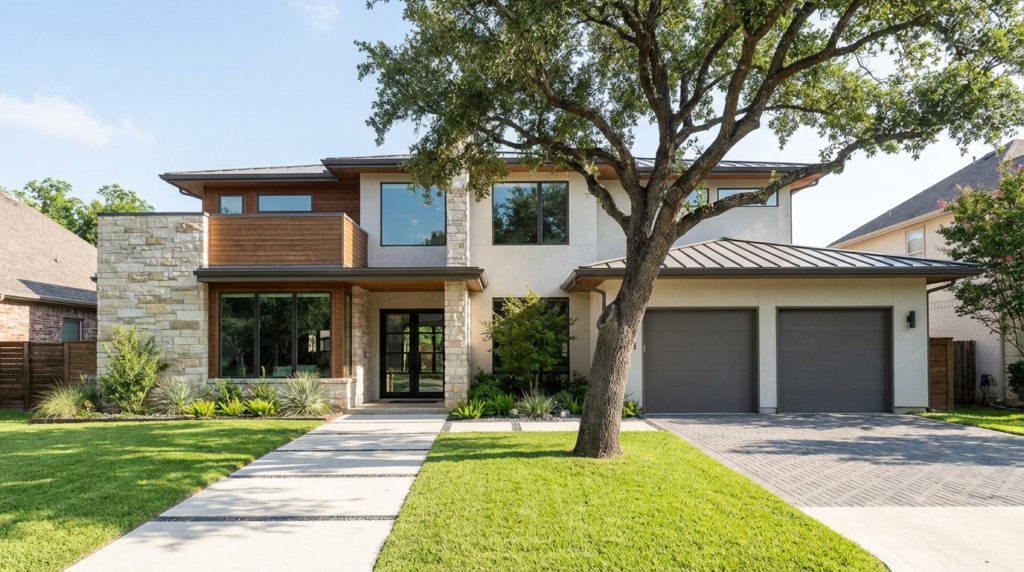
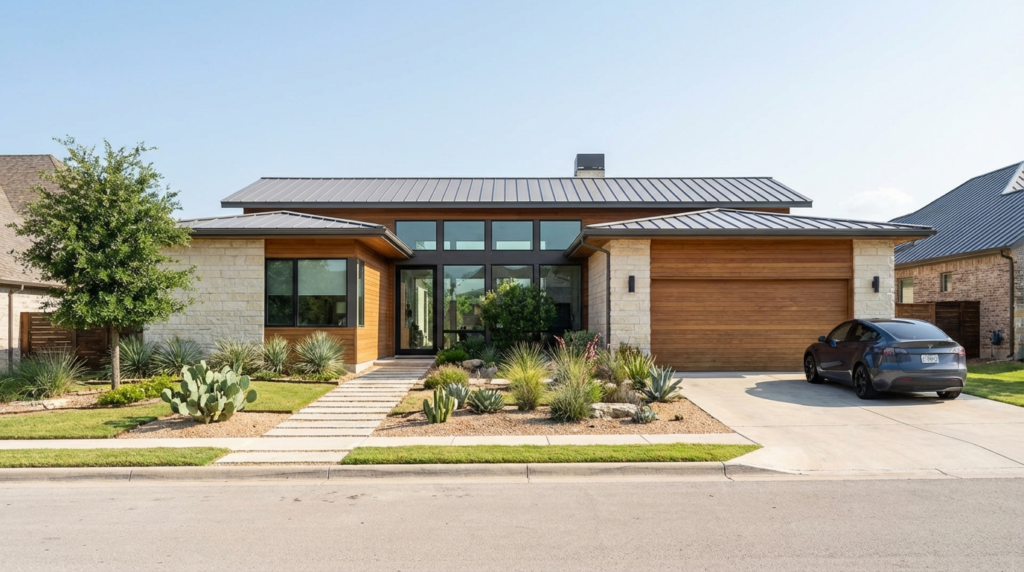
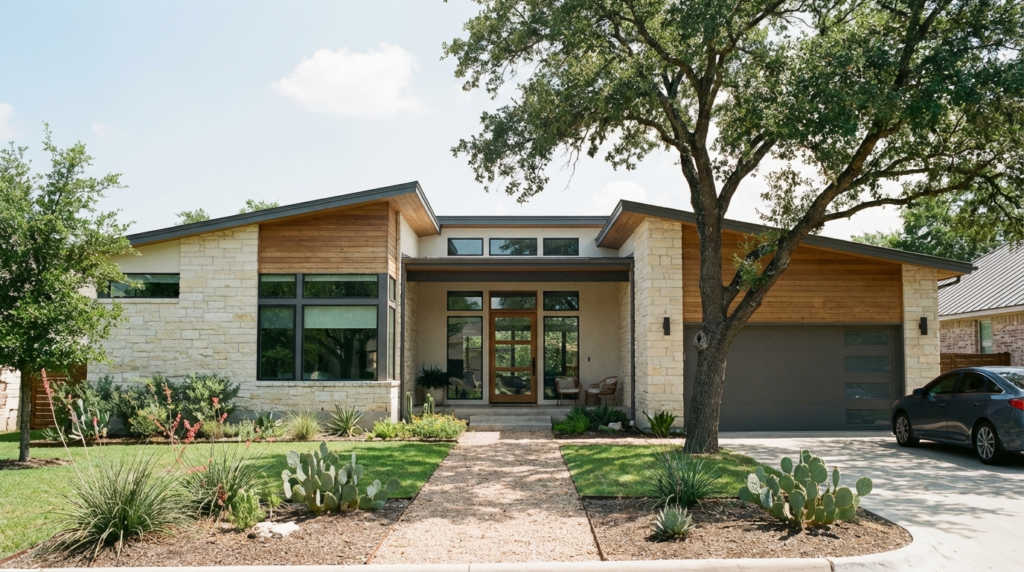
Want to sell your New Braunfels home without leaving money on the table?
Quick Answer
Selling strategically means you don’t rely on “hoping” the market rewards you—you build a plan around pricing, presentation, and negotiation so your home is the obvious best option in its price bracket. In 2026, with buyers having more choices in many pockets of the San Antonio–New Braunfels corridor, execution (especially in the first two weeks) matters as much as the number you pick.
For trusted guidance on the New Braunfels and Hill Country Real Estate Market, contact Cody Posey Real Estate – an expert local real estate agent working with buyers and sellers to succeed in today’s changing market.
The Complete Picture
If you sold (or watched friends sell) during the frenzy years, the most frustrating part of 2026 is that the market can feel “slow” even when good homes still sell. That’s not a contradiction—it’s a shift in leverage and behavior. Buyers are more payment-conscious, they compare more listings, and they’re quicker to walk away when a home feels overpriced or underprepared.
Here’s the way I frame it for homeowners in New Braunfels and the Hill Country: you’re not trying to “beat the market.” You’re trying to position your home so it wins in its specific pocket—your neighborhood, your condition, your price band, and your competition (including nearby new construction). That’s why a strategic plan is less about one magic list price and more about controlling three levers: (1) price that makes sense for today’s buyer, (2) presentation that earns showings, and (3) negotiation guardrails that protect your net and your timeline.
Timing still matters, too—just not in the “wait for the perfect headline” way. School calendars, job relocations, and builder incentive cycles can create bursts of buyer activity even in a slower year. The strategic move is to pick a listing window that fits your life, then make sure your home hits the market fully ready (photos, repairs, showing plan, and pricing lane) so you capitalize on that first wave of attention.
Key Insights
Most sellers don’t fail because their home is “bad.” They fail because they enter the market with an outdated plan: a price number without a positioning strategy, a prep checklist without prioritization, and a negotiation approach that’s reactive instead of intentional. Here are the moves that consistently separate confident sellers from stressed sellers.
-
Think in “pricing lanes,” not one perfect number
A strong pricing strategy usually starts with a range that aligns with recent comparable sales, current active competition, and the buyer’s monthly payment reality—not a single “target” number you feel good about. I like to map a conservative lane (speed-focused), a market-aligned lane (balanced), and an aggressive lane (tests the top of the range with strict checkpoints). Mini-example: if homes in your area are clustering between $440K–$460K, pricing at $459K may be smarter than $469K if it places you into a thinner buyer pool and pushes you out of key search filters.
-
Protect the first 10–14 days like it’s your launch window
Your first two weekends are when you have the most attention and the cleanest story. If your showing volume is weak early, it’s rarely “just a slow week”—it’s usually a signal about price, photos, presentation, or access. Mini-example: if you get plenty of online views but few showings, the photography and headline may be pulling people in, but the price-to-condition story isn’t closing the deal. That’s when we adjust fast, before the listing starts to feel stale.
-
Presentation is not decoration; it’s risk reduction
Buyers in a more balanced market aren’t just comparing homes—they’re comparing the amount of work each home will require. The home that feels “move-in ready” often wins even if it isn’t the newest, because it reduces the buyer’s uncertainty. Mini-example: fresh paint, clean baseboards, updated lighting, and a deep clean can change the buyer’s perception from “project” to “ready,” which directly impacts both showings and negotiation pressure during inspection.
-
Negotiate around the buyer’s payment math (not just the headline price)
In a higher-rate environment, buyers are obsessed with monthly payment and cash-to-close. That means terms can be as powerful as price: a targeted closing cost credit, a repair strategy, or timing flexibility can pull a deal together without destroying your net. Mini-example: offering a defined credit that supports the buyer’s closing costs can sometimes produce a better outcome than chasing small price reductions—because it helps the buyer qualify and feel comfortable, while keeping your “sale price” cleaner for appraisal and perception.
-
Have a negotiation plan before the first offer shows up
Confidence comes from clarity. Before you list, you should know your ideal net, your “we’ll seriously consider it” net, and your hard floor—plus which concessions you’re willing to trade for stronger price or cleaner terms. Mini-example: if your priority is a clean close, you may accept a slightly lower offer with stronger financing and fewer contingencies over a higher offer that feels shaky. Your plan is what keeps you from making emotional decisions in the moment.
Market Reality
Let’s zoom out for a second. Texas market research has described an environment where inventory pressure and price concessions increased as the state adjusted to the post-pandemic, higher-rate world—meaning many sellers have to work harder for top-dollar outcomes than they did a few years ago. Locally, reporting tied to SABOR’s February 2026 figures pointed to longer marketing timelines and inventory closer to commonly cited “balanced market” levels (often around six months). Translation: buyers have more room to compare, inspect, and negotiate—especially when a listing is out of position.
But here’s the part sellers miss: a “balanced-ish” market doesn’t punish every seller equally. It punishes sellers who launch without a clear value story. The best-prepared listings still win because buyers still want the same things they’ve always wanted—good location, good condition, and a price that makes sense. When you deliver those three, you reduce the buyer’s reasons to negotiate.
New Braunfels adds another layer: many neighborhoods compete with new construction incentives. Buyers don’t just compare your list price to the resale comps—they compare your monthly payment and the cash required to close against what a builder is offering down the road. That’s why a strategic seller plan often includes a “competition audit”: the top resale alternatives and the top new-build alternatives a buyer would reasonably tour.
In practical terms, strategy in 2026 looks like measuring the market’s response and adjusting decisively. I like simple, pre-agreed benchmarks: how many showings you expect in the first 10–14 days, what kind of feedback is a true “price signal” vs. a minor preference, and when a terms adjustment (like a targeted credit) makes more sense than a price cut. When you wait too long to respond, you don’t just lose time—you lose negotiating posture, because buyers start asking, “If it’s such a good deal, why hasn’t it sold?” A plan keeps you ahead of that narrative.
One more reality check that helps sellers stay calm: your goal is not to win a record. Your goal is to maximize your result given today’s buyer behavior—and align the sale with your next move. If you want a smart way to separate emotion from math, I like reviewing “what sold,” “what’s active,” and “what failed to sell” (expired/withdrawn) as a three-part story. If you want a deeper read on the mindset side of pricing, this is a helpful companion: the emotional pricing trap for New Braunfels sellers.
Action Steps
-
Set your “pricing lane” with clear checkpoints
Decide your market-aligned range and write down the exact triggers that would cause a change (for example: “If showings are under X by day 10, we adjust price or terms.”). This removes the stress of guessing and keeps you in control.
-
Do a competition audit (resale + new build)
Look at the best 3–5 listings a buyer would cross-shop with yours. If any of them are clearly “more home for the money,” don’t ignore it—outposition them with price, condition, or terms. If you’re competing with builder incentives, consider whether a targeted credit is the smarter lever than a price cut.
-
Prioritize prep that buyers feel immediately
Deep clean, declutter, and fix the small “signals” that scream maintenance risk: sticking doors, missing outlet covers, burned-out bulbs, dripping faucets, stained grout, and patchy paint. You’re not trying to renovate—you’re trying to reduce buyer uncertainty.
-
Plan your negotiation guardrails in advance
Decide what you’ll do (and not do) on repairs, credits, and timelines. If you’re unsure how this affects your bottom line, ask for a net sheet scenario. The goal is to negotiate calmly because you already know the math.
-
Get a strategy conversation, not just a “what’s it worth?” number
If you want a data-driven plan for your neighborhood and price band, reach out to Cody Posey Real Estate and I’ll map the comps, today’s competition, and a clear launch-and-adjustment strategy so you can move with confidence.
Frequently Asked Questions
- Is 2026 a good time to sell in New Braunfels? It can be, depending on your neighborhood, price band, and how you position the home. The sellers who do best are the ones who price to current competition, prepare well, and negotiate with a plan instead of trying to recreate 2021 conditions.
- What’s the biggest pricing mistake sellers make? Starting from an “aspirational” number without a checkpoint plan. In a market where buyers have more choices, an optimistic launch can reduce early showings and create a stale-listing stigma that forces bigger concessions later.
- Should I offer buyer concessions? Sometimes, yes—especially if affordability is the buyer’s main obstacle. A targeted concession (like closing cost help) can broaden your buyer pool and improve offer quality, but it should be intentional and modeled against your net proceeds.
- Do I need to remodel before listing? Not usually. The highest-return moves are typically repairs, paint, cleaning, decluttering, and presentation. If you’re considering bigger updates, it’s smart to prioritize what your competition already has (or what buyers in your bracket expect) rather than guessing.
- How do I choose between a higher offer and “cleaner” terms? Compare the net proceeds and the risk. Financing strength, appraisal risk, inspection scope, and timeline can matter as much as headline price. A solid plan is to compare offers using a simple scorecard so you don’t negotiate emotionally.
Closing
If you’re thinking about selling in New Braunfels or the Hill Country, you don’t need hype—you need a plan that fits your home, your timeline, and today’s buyer behavior. That’s what “selling strategically” is really about: pricing with discipline, presenting with intention, and negotiating with calm confidence.
Ready to talk strategy? Call Cody Posey Real Estate at 830.360.5569.
Sources: Texas Real Estate Research Center (Texas Housing Insight, Feb 2026): https://trerc.tamu.edu/reports/texas-housing-insight-february-2026/ • Texas Public Radio recap of SABOR Feb 2026 figures (Mar 11, 2026): https://www.tpr.org/news/2026-03-11/san-antonio-housing-market-continues-to-cool