Quick answer: Gruene is one of the most desirable pockets of New Braunfels because it combines Hill Country lifestyle (Guadalupe River days + iconic live music + historic charm) with everyday convenience and durable long-term resale demand. The “right” part of Gruene depends on whether you want walkability to the Historic District, a quieter nearby neighborhood, or the best value for your budget.
Hi — I’m Cody Posey. I’m a New Braunfels REALTOR® and I help buyers and sellers make confident, numbers-backed decisions. If you’d like a custom shortlist of homes near Gruene (with real comps and negotiation leverage), start here: cposeyrealestate.com.
Gruene, Texas: the short version
Gruene (pronounced “Green”) is the part of New Braunfels that feels like a weekend trip… even when it’s your Tuesday. You’re close to the Guadalupe River, you’ve got iconic live music in the Historic District, and you’re still minutes from everyday conveniences (H‑E‑B runs, school drop-off, I‑35 access, etc.).
But here’s the practical real estate truth: “Gruene” can mean different things depending on how someone is using the word. Some buyers mean the walkable Gruene Historic District. Others mean nearby neighborhoods like Gruene Crossing or pockets off Hunter Road and Loop 337 that still deliver the “Gruene lifestyle.” The vibe is similar, but price points, HOA rules, and traffic/noise patterns can vary a lot.
If you’re relocating, this is the big win: Gruene gives you that Hill Country “I’m actually living somewhere special” feeling without pushing you so far out that basic errands become a project.
Where is Gruene (and why location matters)
Gruene sits on the northeast side of New Braunfels near the Guadalupe River, with quick routes to Loop 337, SH‑46, and I‑35. That puts you in a sweet spot for the Austin–San Antonio corridor.
- Commuters get options (north or south) without feeling like they live “out in the county.”
- Weekend lifestyle is built in: rivers, food, music, and events are basically at your doorstep.
- Resale demand tends to stay healthy because Gruene is a recognizable destination—not just another subdivision name.
Local nuance that matters: if you’re very close to the Historic District, you may see more weekend activity and visitor traffic. If you’re a few minutes out (still “near Gruene”), you often get a quieter feel while keeping the same access.
“Real Gruene” vs. “Gruene-adjacent”: how to think about the pockets
When buyers tell me they want Gruene, I usually ask one question: what does “Gruene” mean to you? Because the best-fit pocket depends on what you’re optimizing for.
- Walkable / Historic District focus: You want to step out for music, shops, and dining. (Trade-off: more visitor energy.)
- River proximity focus: You want quick access to river days and that “Hill Country water” lifestyle. (Trade-off: you should be more careful about flood maps/insurance, even if a property itself isn’t in a floodplain.)
- Neighborhood + convenience focus: You want a modern home, predictable HOA rules, and easy errands—while still being “close enough” to the Gruene vibe. (Trade-off: not every pocket feels as character-rich.)
This distinction matters because you can accidentally overpay if you’re paying for walkability/character you won’t actually use—or miss out if you buy too far away from what you pictured.
What homes cost near Gruene (2026 pricing context)
Neighborhood-level pricing is hyperlocal here: river proximity, lot size, whether the home is truly walkable to the Historic District, and even short-term rental restrictions can move values meaningfully.
Because public datasets don’t always break out “Gruene” cleanly as its own neighborhood, I like to anchor expectations with a macro number and then narrow down to micro comps for your exact target pocket.
- Macro snapshot (New Braunfels): Zillow’s Home Value Index showed an average home value of $345,021, down 3.0% year-over-year, with homes going pending in about 87 days (updated 2/28/2026).
- Micro reality (Gruene-area): Expect a wide spread. Homes that deliver the “Gruene lifestyle” (character, proximity, and vibe) often price differently than similar-sized homes elsewhere in town—especially if they’re close to the river or the Historic District.
Pro tip for buyers: In a shifting market, don’t fall in love with list prices. The only numbers that matter are: recent closed sales, how long those homes took to go under contract, and what concessions were involved. If you want, I’ll run a tight comp set around the exact pocket you’re considering and show you where the negotiation leverage is right now.
What the housing stock looks like (and why it matters)
One reason Gruene is hard to generalize is that the nearby housing stock can vary a lot:
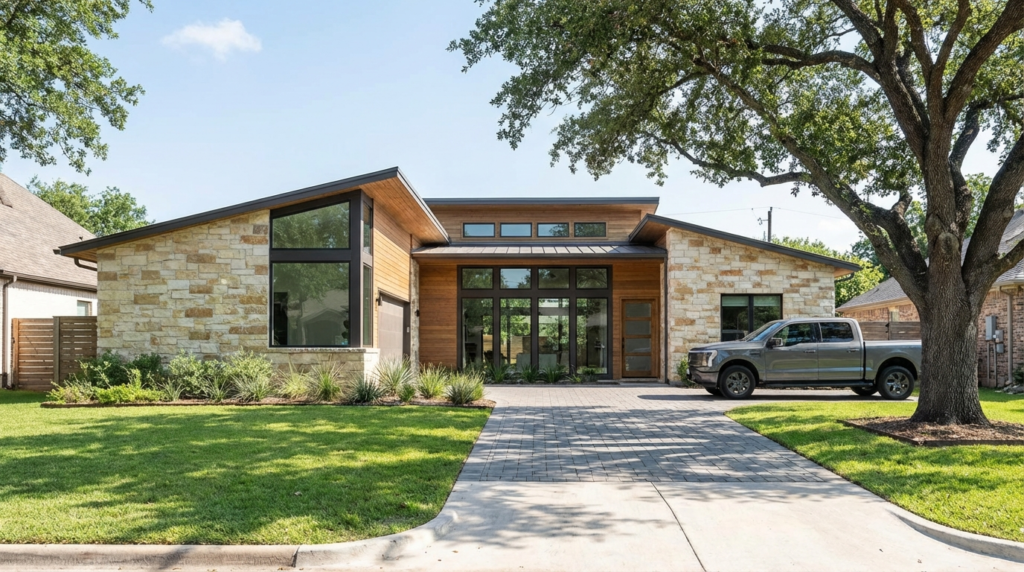
- Newer builds + planned neighborhoods: Often more predictable floorplans and HOA structure; may be easier for out-of-state buyers who want “turnkey.”
- Custom and semi-custom homes: More variety in lot size, finishes, and layout; quality can be excellent, but you’ll want a strong inspection strategy.
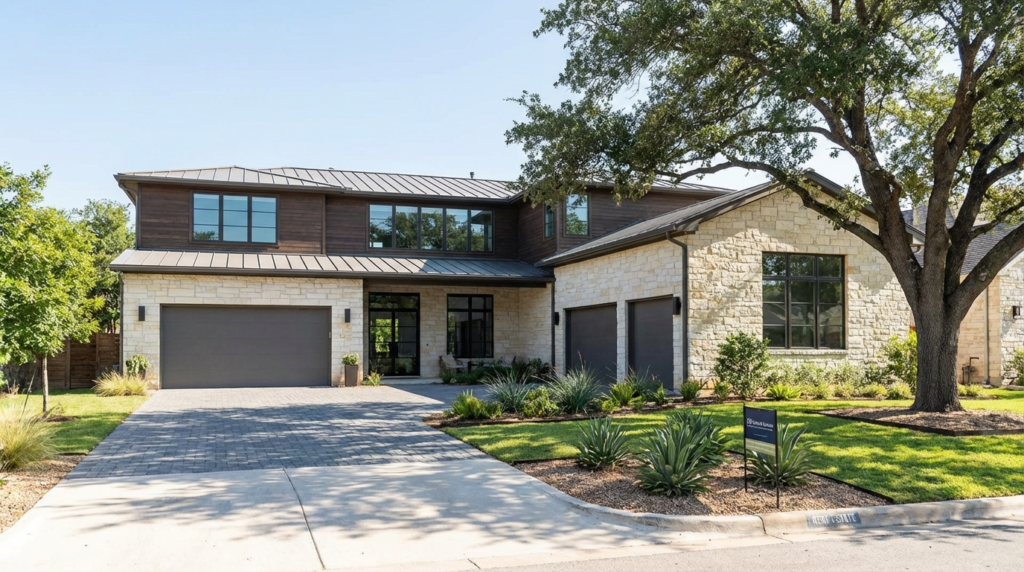
- Older properties / character homes: Tons of charm, and sometimes stronger location value—just be ready to evaluate updates, plumbing/electrical, and insurance considerations.
Why this matters: two homes with the same square footage can have very different long-term costs (maintenance, insurance, energy efficiency) and very different resale audiences.
Why buyers are moving to Gruene
People don’t choose Gruene just because it’s “nice.” They choose it because it solves multiple lifestyle goals at once.
1) A real destination vibe (that you can actually live in)
According to Visit New Braunfels, Gruene is “a world-famous destination for country and Americana music” and the Historic District features “German-Texas architecture, unique shops, tantalizing restaurants, and much more.” That’s not marketing fluff—those are the exact reasons relocation buyers (especially from bigger metros) feel like Gruene gives them instant connection to the area.
If you’re new in town, this matters more than people expect: it’s easier to build routines and community when there are places you genuinely want to go.
2) River proximity without giving up convenience
In the Hill Country, “near the water” often means trade-offs: longer drive times, fewer services, and more volatility in insurance and property maintenance. Gruene lets you stay close to the Guadalupe River lifestyle while keeping you near New Braunfels’ core services.
3) Social gravity
Some neighborhoods have amenities. Gruene has momentum. People visit. Friends come into town. There are places to meet up. That matters if you’re relocating and want to feel rooted quickly.
Schools near Gruene: what to know (and what to verify)
School zoning can be a deal-breaker for families—and in the New Braunfels area, lines can be surprisingly close together. Gruene-area addresses commonly fall into either New Braunfels ISD (NBISD) or Comal ISD depending on the exact street and subdivision.
- New Braunfels ISD: a core district based in New Braunfels. Start your verification at nbisd.org.
- Comal ISD: a large, fast-growing Hill Country district. The district describes serving 30,300+ students across 36 campuses (district site). Start at comalisd.org.
Important: I never recommend one district over another. What I will do is help you verify zoning for any property you’re considering, then you can decide what fits your family. Before you write an offer, confirm the address-to-campus assignment directly with the district (boundaries can change).
Growth trends: why this area stays on buyers’ radar
Gruene isn’t an “overnight hot spot.” It benefits from the broader growth of the New Braunfels / Comal County corridor—more jobs, more rooftops, and a steady stream of relocation buyers who want Hill Country lifestyle without losing city access.
USAFacts (using U.S. Census Bureau population estimates) tracks long-run population change at the county level. Comal County’s growth trend over the last several decades is one of the big demand engines behind housing pressure in and around New Braunfels.
What this means for you as a buyer: when a market has structural demand drivers, “great neighborhoods” tend to hold attention even when the broader market cools. You still need to buy smart (comps, inspections, taxes), but you’re not betting on a random corner of the map.
What to watch out for when buying near Gruene
- Floodplain and drainage considerations: River proximity is a feature, but you still want to understand flood maps, insurance quotes, and drainage patterns before you commit. (Even outside mapped flood zones, drainage and elevation can still matter.)
- HOA rules + short-term rental restrictions: Different pockets have very different rules. Don’t assume you can (or can’t) do something—verify it before you buy, especially if you’re thinking “second home” or “future rental.”
- Weekend traffic + noise patterns: Depending on exact proximity to the Historic District, weekend energy can be a plus (fun) or a nuisance (parking/noise). I recommend visiting at multiple times of day before making a decision.
- Property taxes: In Texas, the monthly payment can swing dramatically based on exemptions and tax rates. Always model the full payment before you pick a house.
- Insurance variables: Age of roof, claims history, and proximity factors can impact your quote. If you’re buying from out of state, get quotes early so there are no surprises.
A “smart tour plan” for Gruene (how I recommend buyers evaluate it)
If you’re deciding between “near Gruene” neighborhoods, the smartest move is to tour with a plan. Here’s how I structure it with clients so you’re not guessing:
- Start with your non-negotiables: commute pattern, school needs, bed/bath, and a realistic payment ceiling.
- Tour 2–3 pockets in one trip: one that’s closest to the Historic District, one that’s quieter/residential, and one that’s “value alternative.”
- Run micro-comps after the tour: not just “what’s for sale,” but what actually closed, with days-on-market and concessions.
- Build the due diligence list before you offer: flood map check, HOA docs, tax estimate with exemptions, and insurance quote.
This approach keeps you from overpaying for branding—and helps you buy the right pocket for the way you’ll actually live.
Who Gruene is best for
- Relocation buyers who want “instant Hill Country” without living far out.
- Buyers who value lifestyle (music, restaurants, river days) as much as square footage.
- Second-home buyers who want a place friends and family will actually be excited to visit.
- Long-term buyers who care about recognizable areas with durable demand.
FAQ: Gruene neighborhood spotlight
1) Is Gruene considered part of New Braunfels?
Yes. Gruene is commonly used to describe the Gruene Historic District area and nearby neighborhoods within New Braunfels. “Gruene” can mean different pockets depending on the listing and what buyers are targeting.
2) What’s the price range for homes near Gruene?
It varies widely by the exact pocket, lot size, and proximity to the Historic District/river. As a macro reference point, Zillow reported an average New Braunfels home value of $345,021 (updated 2/28/2026), but Gruene-area pricing can sit above or below that depending on the home and location.
3) What school district is Gruene in?
It depends on the address. Parts of the broader area can fall into New Braunfels ISD or Comal ISD. Always verify zoning for the specific property with the district before writing an offer.
4) Is Gruene a good area for commuting?
For many buyers, yes. You’re close to Loop 337, SH‑46, and I‑35, which makes commuting toward San Antonio or Austin more straightforward than some deeper Hill Country locations.
5) What should I check before buying a home near the river?
Confirm floodplain status, get an insurance quote early, review drainage and elevation, and don’t skip an inspection. If you’re considering a specific home, I’ll help you build a due diligence checklist tailored to that property.
Next step: get a custom “Gruene-fit” short list
If you want a custom short list of homes that match the “Gruene lifestyle” (without overpaying for it), reach out and I’ll map the best-fit pockets for your commute, your must-haves, and your budget—and then we’ll narrow to the homes that make sense based on what’s actually closing, not just what sellers are asking.
Here are a few helpful starting points on my main site: