Let’s cut to the chase. New Braunfels hit 124,000 residents in 2025, marking a staggering 35% increase since 2020. That’s a 5.48% year-over-year growth rate, putting us squarely on the map as one of the fastest-growing cities in the United States. Now, I know what you’re thinking: “Is this explosive growth going to turn New Braunfels into just another concrete jungle, erasing the very reason I want to live in the Hill Country of Texas?”
It’s a valid concern, and I’m not going to sugarcoat it. Change is happening. But change doesn’t automatically mean losing what makes this place special. My job—and frankly my passion—is to help you navigate this growth so you can secure your slice of authentic Hill Country living. Let’s break down what’s happening and, more importantly, what you can do about it. For expert updates on Texas Hill Country and New Braunfels real estate market, contact Cody Posey – your dedicated specialist.
Understanding the Growth, Protecting the Charm
The first step is understanding why New Braunfels is experiencing this boom. We’re not just some random blip on the radar. People are drawn to the Hill Country for its natural beauty, its strong sense of community, and its proximity to both San Antonio and Austin. We offer a slower pace of life, stunning landscapes, and a unique cultural identity. These are not things to be easily discarded, and many people—including myself—want to preserve them for future generations.
However, the reality is this: people are moving here. We can’t just close the borders and say, “No room at the inn.” So the real question becomes: how do we manage this growth intelligently while maintaining the essence of what makes Hill Country Texas so desirable?
City Planning: A Strategy for the Future
The good news is that New Braunfels isn’t just sitting back and watching the bulldozers roll in. The city has been actively planning for growth, focusing on sustainable, livable communities. Look at developments like Mayfair and Veramendi. These aren’t typical cookie-cutter subdivisions. They’re designed as walkable, mixed-use communities with an emphasis on green spaces, local businesses, and community gathering spots.
Key elements include:
- Walkability: Pedestrian-friendly streets that reduce reliance on cars and foster a true neighborhood feel.
- Mixed-use design: A blend of residential, commercial, and recreational spaces that allow people to live, work, and play in one area.
- Green spaces: Parks, trails, and open areas integrated throughout the community to maintain access to nature.
These developments reflect a shift toward smarter growth. It’s not perfect, and challenges remain, but it’s a positive sign that the city is being proactive instead of reactive.
Local Design Trends: Embracing the Hill Country Aesthetic
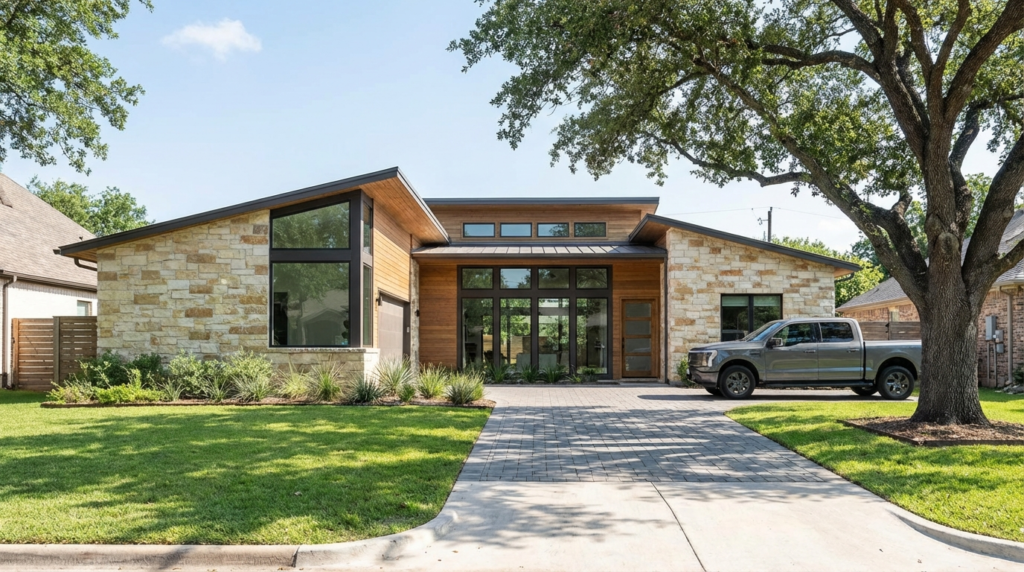
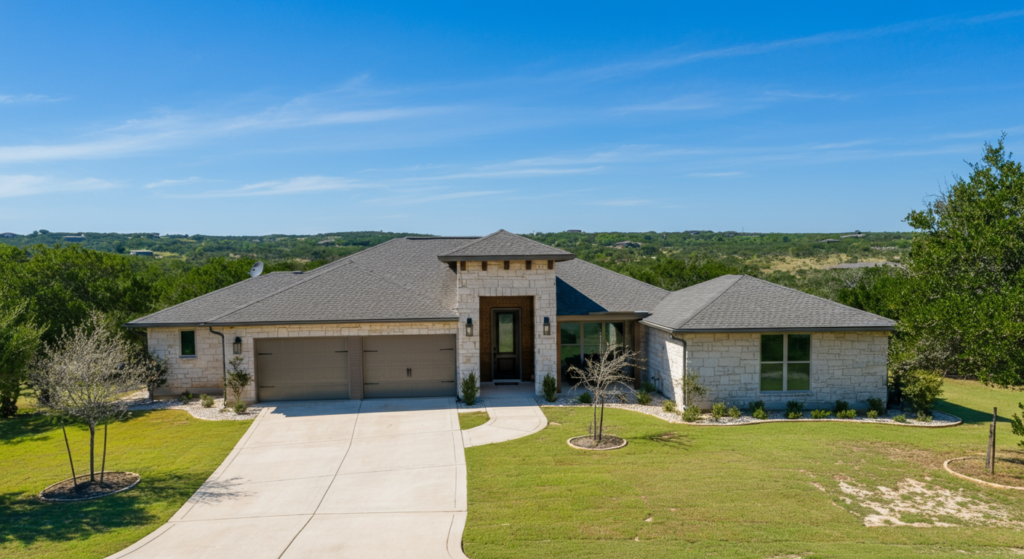
Beyond planning, architecture plays a big role in preserving Hill Country charm. We’re seeing a renewed focus on traditional Hill Country design, with builders leaning into natural materials, rustic finishes, and regional character.
Common trends include:
- Limestone construction: A native Hill Country material that adds timeless character and blends naturally with the landscape.
- Metal roofing: Durable, energy-efficient, and classic Texas in appearance, with customizable colors and finishes.
- Large porches and outdoor living spaces: A Hill Country staple, designed for relaxing, entertaining, and enjoying the outdoors.
- Native landscaping: Low-maintenance, water-conscious plantings that attract wildlife and preserve the natural feel of the land.
These choices don’t just look good—they help homes feel authentically connected to the region.
Actionable Takeaways: Securing Your Hill Country Dream
So what should you do if you’re relocating or considering a move amid this growth? Here’s the straight talk:
- Do your research. Look beyond population headlines. Study specific neighborhoods, development plans, and long-term city strategy.
- Work with a local expert. You need someone who understands the nuances of the New Braunfels market and can align options with your vision.
- Stay flexible on location. Areas like Gruene, Canyon Lake, and Wimberley still offer slower-paced, nature-focused lifestyles.
- Prioritize green space. Access to parks, trails, and open land helps maintain that Hill Country connection.
- Engage with local culture. Community events, local businesses, and regional history are what truly preserve the Hill Country identity.
Beyond the Headlines: The Real Hill Country
The headlines can be alarming. Growth is disruptive. But the heart of the Hill Country is still very much alive. Community, landscape, and lifestyle don’t disappear overnight.
Yes, the market is changing. That just means you have to be strategic, informed, and proactive. With the right guidance, there are still excellent opportunities to find a home that fits your vision of Hill Country living.
Don’t let fear of growth stop you from pursuing that goal. The opportunities are still here—you just need to know where to look and how to navigate the shift.
That’s where I come in. I’m not just a real estate agent. I’m a local expert, a strategic advisor, and someone who genuinely cares about preserving what makes this area special. My role is to help you make informed decisions and find the right fit in a changing landscape.